

Home renovations are planned, and you are thinking about what type of lighting fixture would be best. You want flexibility, a modern look, energy efficiency, and uniform, room-filling light. However, traditional styles of lighting seem dated, and there is limited control over the quality of light. The option that checks all the boxes of everything you want and provides you with the control you desire is pot lights*. This blog will show a comparison between traditional lighting units and pot lights and show why pot lighting should be your choice.
*For the purposes of this blog, the term “pot lighting” can be used interchangeably with the term “recessed lighting” or “can lighting”.
What Does Recessed Lighting Mean?
Recessed lighting, or pot lighting or can lighting, is a method of installing lights into an open space in a ceiling or wall where only the outer edge trim can be seen. Much of the workings of the lights is hidden from view. Pot lighting is beneficial because it can be used in multiple ways for direct or accent lighting. Also, with today’s LED lights, potlights are extremely energy efficient and longer wearing than traditional lights.
Pros and Cons of Traditional Style Lighting vs Pot Lights
There are primarily differences in the different types of lighting vs pot lights regarding style, energy efficiency, usage and type of installation required. Let’s look at the pros and cons of each.
Full Room Lighting | Permits Required | Energy Efficient | Flexibility of Positioning | Discreet Lighting | Control of light quality | |
|---|---|---|---|---|---|---|
Track Lighting | ||||||
Pendant/Ceiling Lighting | ||||||
Pot Lighting |
Track Lighting
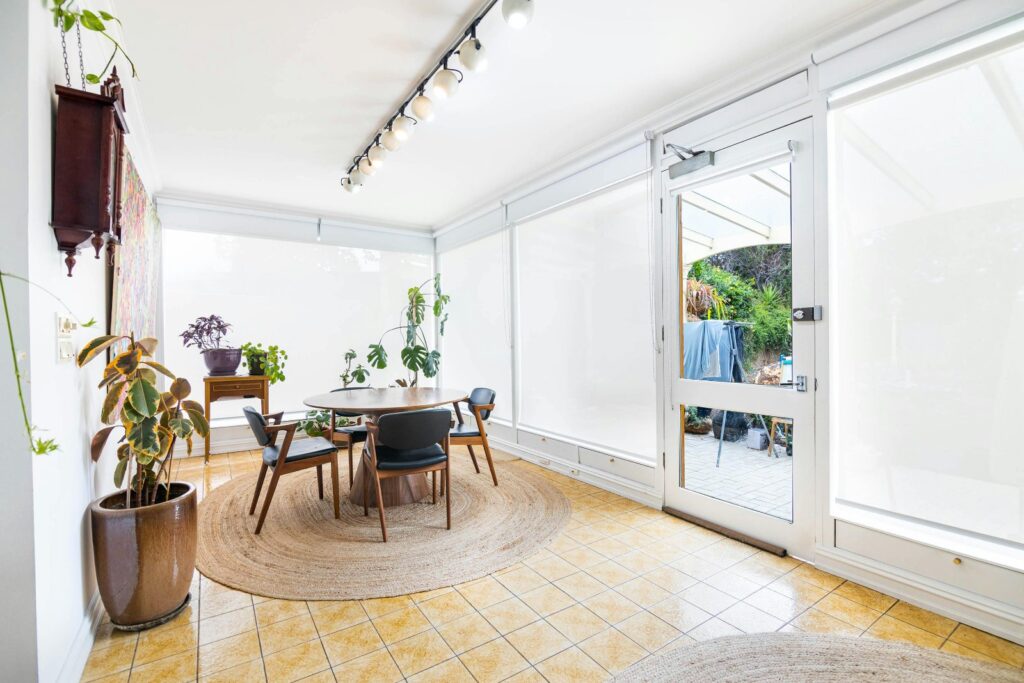
Track lighting consists of light fixtures that are connected to a visible track attached to the ceiling. The lights themselves are not individually wired but are connected to electrical conductors in the tracks that brings flexibility in lighting. This 1960s innovation allows for lights to be moved along the track very quickly which is perfect for highlighting features of your home.
Pros: | Cons: |
|---|---|
|
|

Pendant/Ceiling Lighting
Pendant, or ceiling, lighting is a traditional form of hanging lamp or set of lights suspended from the ceiling. These are perfect for the focused light needed for cooking, reading, or working. However, they are wired directly into the home’s electrical system, so they are fixed into position usually in the middle of the room.
Pros: | Cons: |
|---|---|
|
|

Pot Lighting
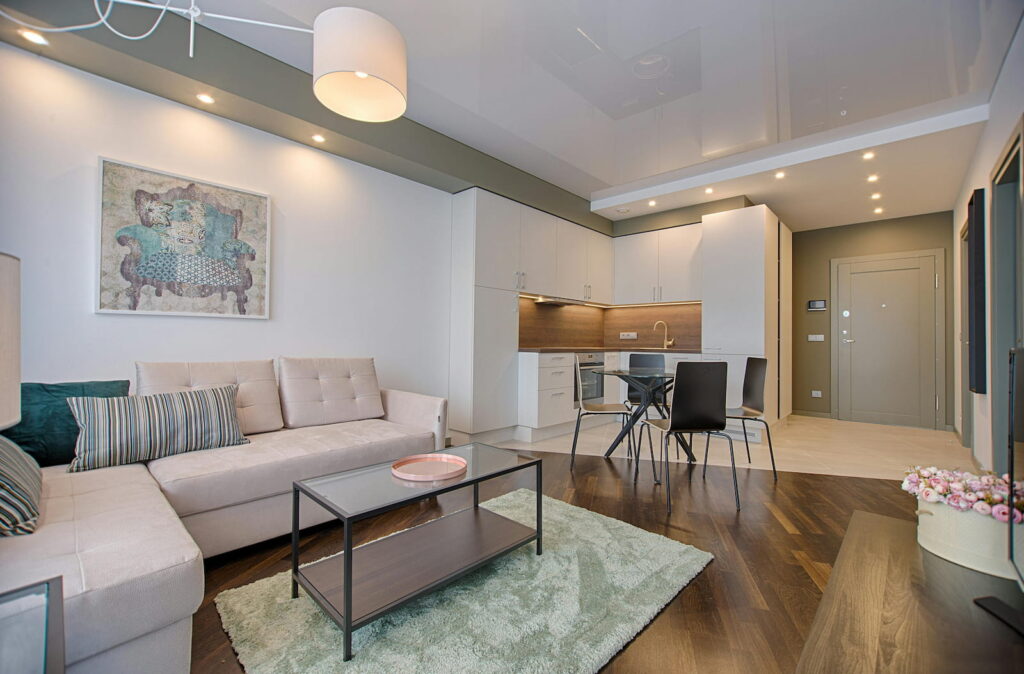
What is a pot light? This style has the lighting fixture recessed into and installed flush with the ceiling. The light itself is contained in the recessed ‘pot’. With the lights flush with the ceiling, they are ideal for giving the illusion of more space in the room. The light can be cast in a wide spread great for filing a room with light. They can also be contained in a narrow spotlight to bring attention to a specific point. Most pot lights now come in LED form which uses little energy, are long-lasting, and are very versatile in light quality and warmth.
Pros: | Cons: |
|---|---|
|
|
Conclusion
Traditional lighting has a lower initial cost in terms of installation, but in the long term, the cost of replacement bulbs and energy usage eat up that savings. They are also limited in control over the quality of the provided light in anything more than a dimmer switch.
On the other hand, pot lighting has a slightly higher installation cost. However, in the long run, with an approximately 90% savings in energy usage, room filling light, and control over the quality of light provided, the choice is quite clear: pot lights are the best, longterm choice.
While it would seem that the choices for lighting your home are many, it remains that the style of light with the greatest value and largest amount of versatility is recessed lighting. With over a quarter of a century of experience installing pot lights in homes in and around the GTA, Mr. Potlight is there for you during your home reno upgrades. Contact us today for a free consultation and quote to help you find your way into the light.
FAQs
Explain the differences in pot lights vs recessed lighting and pot lights vs can lights?
Essentially, there is no difference. The terms can be used almost completely interchangeably. They are lighting fixtures recessed into a ceiling. “Pot lights” is a standard term used in Canada where “recessed lighting” is a term used in technical discussions. “Can lights” is another interchangeable term, but that name is used predominantly in the US.
Can I install my pot lights myself?
No and yes. In Canada, it is required that you obtain permits and have an electrician install pot lights. In Ontario and BC, it is allowable for the homeowner of a detached, single-family home to get permits and install pot lights themselves. However, they must have the installation inspected by the provincial agencies responsible for home safety.
What are the agencies responsible for safety inspections in Ontario?
In Ontario, the agency is the Electrical Safety Authority (ESA). Installation without inspection can lead to major difficulties with insurance and may be problematic if the home goes up for sale later.
How do I make sure that my pot lights are energy efficient?
Choose LED lights that have an Energy Star certification. Also, check for the lumens-per-watt ratio. The greater amount of lumens for each watt consumed is more energy efficient.
Why do my pot lights flicker or make noises?
Most likely the problem lies with a mismatched dimmer switch that is incompatible with LED lights. They also may flicker because of improper installation or an overloaded electrical circuit.


