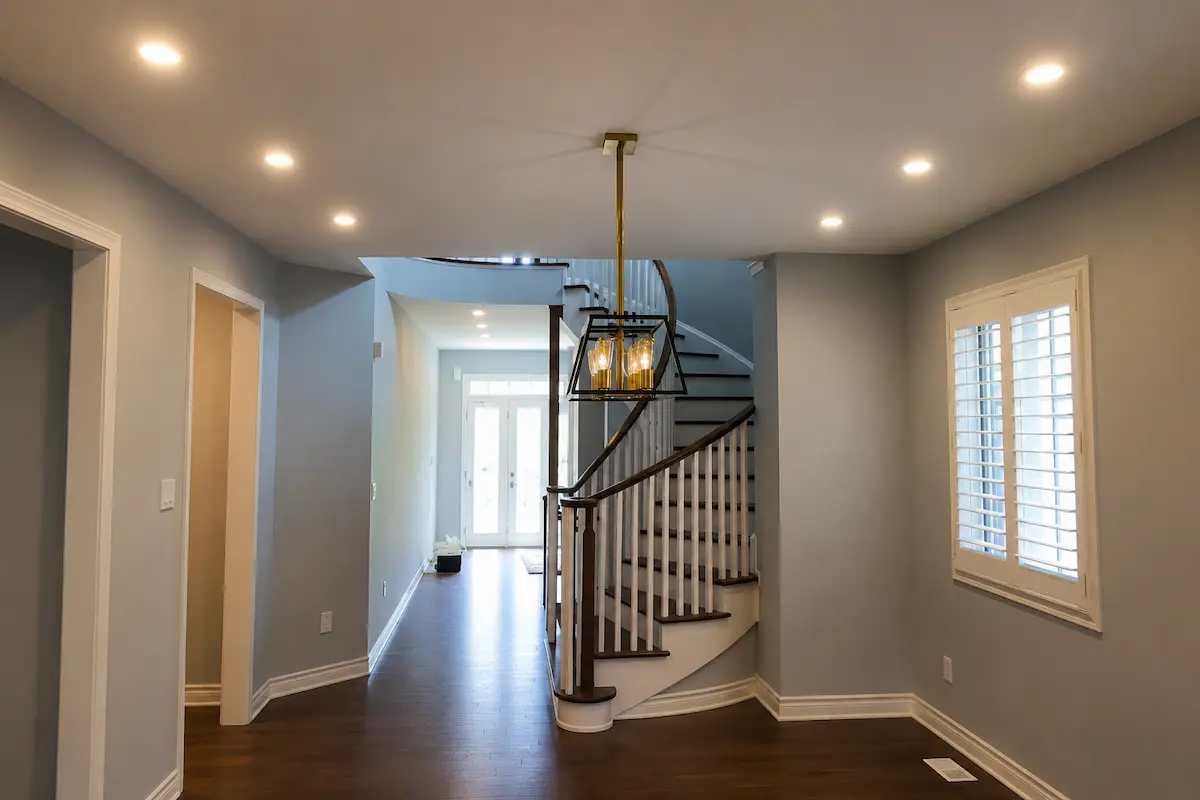
Table of Contents
- Common Lighting Problems in Older Homes
- Why Older Richmond Hill Homes Need Different Pot Light Layouts
- Pot Light Layout Principles for Older Homes
- Room-by-Room Pot Light Layout Ideas
- Living Room Lighting Layouts
- Kitchen Pot Light Layout Ideas
- Hallways and Entrances
- Basement Lighting Layouts
- Smart Features That Work Well in Older Homes
- Why Professional Installation Matters
- Before and After: The Difference Proper Lighting Makes
- Final Thoughts
- Frequently Asked Questions
Common Lighting Problems in Older Homes
Older homes across Richmond Hill often share many of the same lighting issues regardless of the neighbourhood or home style. While these houses still have strong structure and timeless charm, the lighting layouts were designed for a completely different era of living. Many homeowners upgrading older homes quickly realize that modern recessed lighting requires more planning than simply replacing old fixtures.Outdated Wiring Layouts
Many homes built in the 70s, 80s, and early 90s were designed with very limited lighting points. It’s common to see large rooms relying on one central fixture that leaves corners dark and unevenly lit. Modern LED pot lights work especially well in these situations because they consume far less electricity than older incandescent fixtures while producing cleaner and more balanced light. Homeowners concerned about electrical safety can also review recommendations from the Electrical Safety Authority (ESA) regarding residential electrical upgrades.Dark Hallways and Entrances
Long hallways with a single light fixture are extremely common in older layouts. During winter months, these spaces can feel even darker due to reduced natural daylight. A clean recessed lighting layout helps brighten narrow spaces evenly while making entrances feel larger and more welcoming.Fragile Plaster Ceilings
Older plaster ceilings require more precision during installation because improper cutting can lead to cracking around fixtures. This is one of the biggest reasons retrofit lighting projects in older homes should be carefully planned before installation begins.Low Basement Ceilings
Basements in older homes often have lower ceiling heights, exposed bulkheads, or limited spacing between joists. Hanging fixtures can make the space feel even tighter. Slim LED pot lights solve this problem by creating bright, even lighting without reducing headroom.Uneven and Yellow Lighting
Older fixtures often produce inconsistent lighting throughout the house. Some rooms feel overly warm while others remain dark and shadowed. Modern LEDs provide cleaner light, improved visibility, and far better energy efficiency. According to ENERGY STAR Canada, LED lighting can significantly reduce energy consumption compared to older lighting technologies.Why Older Richmond Hill Homes Need Different Pot Light Layouts
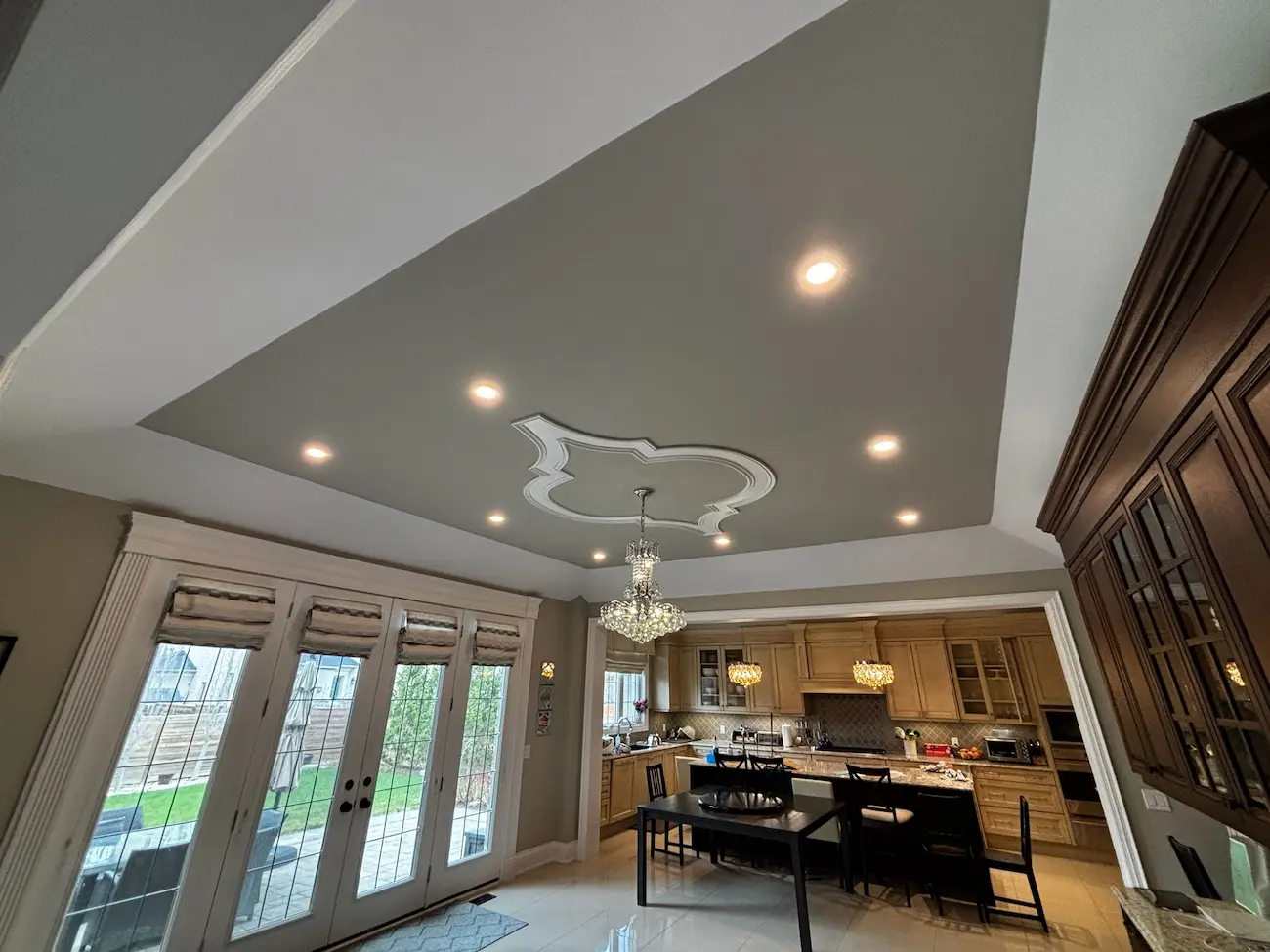 Lighting layouts for older homes should feel balanced and natural rather than overly bright or crowded.
Unlike modern open-concept homes, older layouts often include:
Lighting layouts for older homes should feel balanced and natural rather than overly bright or crowded.
Unlike modern open-concept homes, older layouts often include:
- Smaller room divisions
- Lower ceilings
- Narrow hallways
- More separated living spaces
- Limited attic access
Pot Light Layout Principles for Older Homes
Proper Spacing for Lower Ceilings
Most older homes have ceiling heights between 7 and 8 feet. In these spaces, smaller fixtures almost always create a cleaner result. A typical layout often includes:- 4-inch LED pot lights
- Spacing fixtures roughly 4–5 feet apart
- Avoiding placements too close to walls
Choosing the Right Beam Angle
Older homes tend to have more furniture-heavy layouts and separated rooms compared to newer builds. A wider beam angle helps distribute light more evenly while reducing shadows throughout the room.Using LED Fixtures for Older Electrical Systems
LED fixtures place far less strain on older electrical systems while still producing significantly brighter lighting. This makes them ideal for retrofit projects in older homes.Avoiding Over-Lighting
One of the most common mistakes homeowners make is installing too many lights. Older homes naturally feel warmer and more comfortable when the layout remains balanced. A clean, thoughtful ceiling layout almost always looks better than overcrowding the space with unnecessary fixtures.Room-by-Room Pot Light Layout Ideas
Different rooms require completely different lighting approaches, especially in older homes where layouts were not originally designed for recessed lighting. Ceiling height, furniture placement, natural light, and room function all affect how pot lights should be spaced and positioned.
A balanced layout can make living spaces feel larger, brighter, and more modern while still keeping the warmth and character that many older homes are known for.
Living Room Lighting Layouts
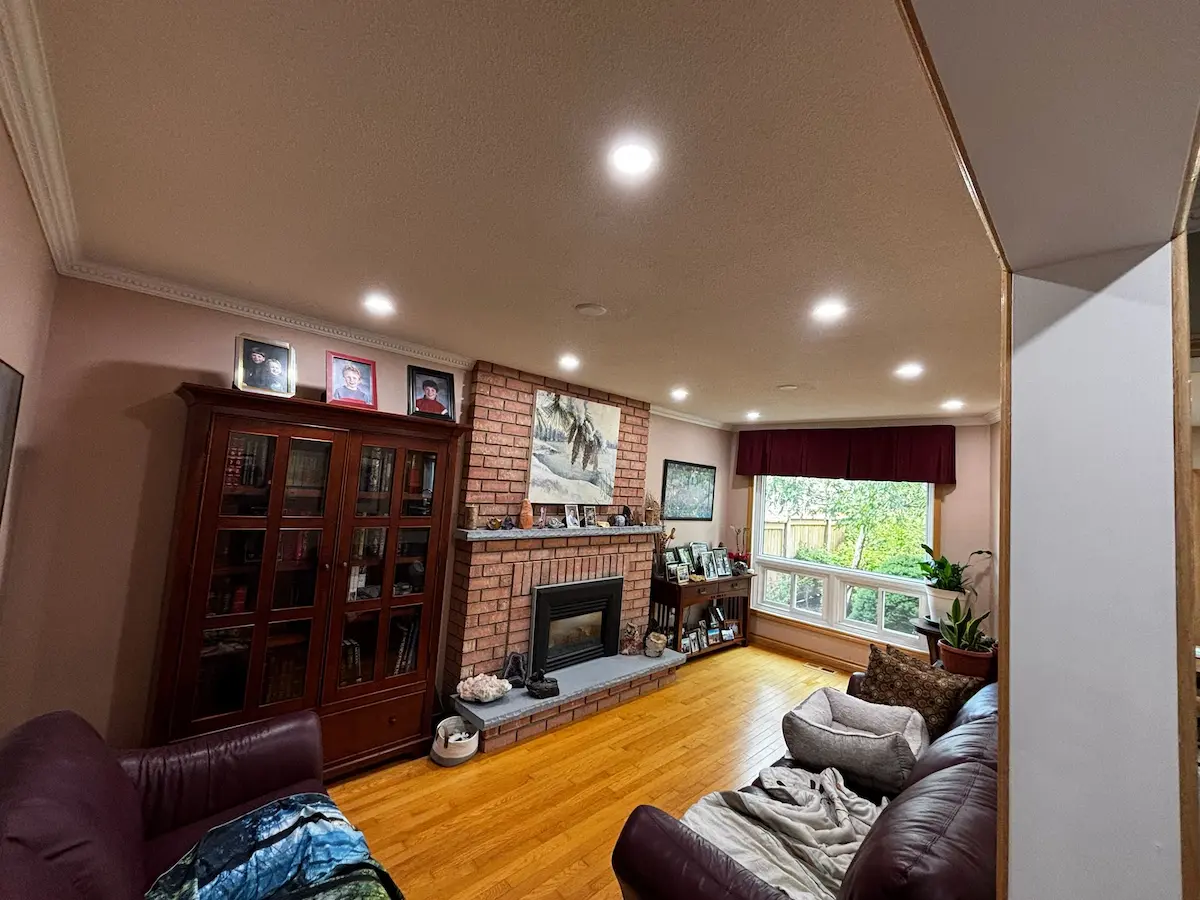 Living rooms in older homes often feature fireplaces, crown moulding, large windows, and more traditional furniture layouts.
A modern lighting plan usually works best when it includes:
Living rooms in older homes often feature fireplaces, crown moulding, large windows, and more traditional furniture layouts.
A modern lighting plan usually works best when it includes:
- Balanced perimeter lighting
- Even spacing throughout the room
- Reduced glare over seating areas
- Accent lighting near fireplaces or artwork
Kitchen Pot Light Layout Ideas
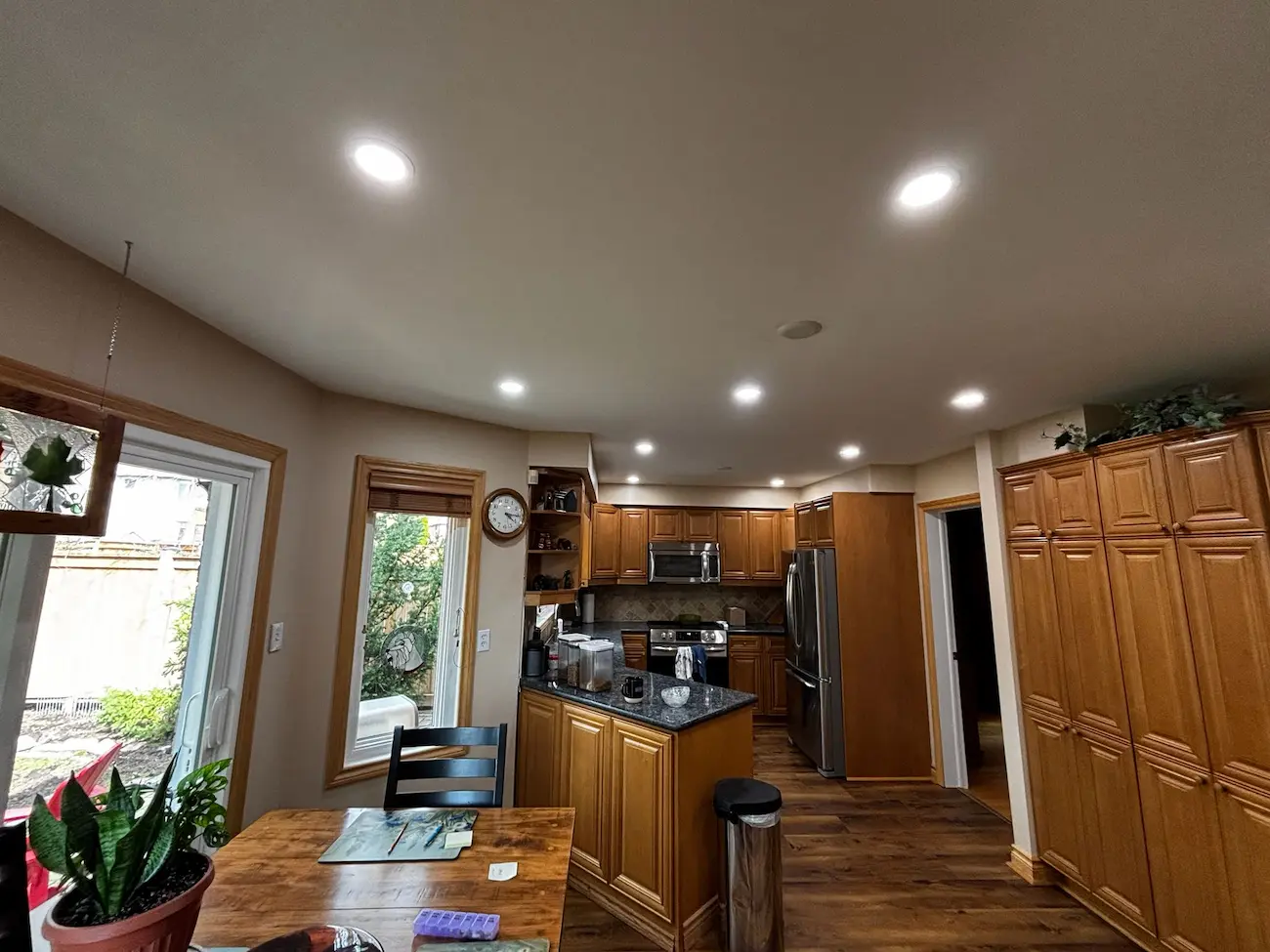 Older kitchens are often narrower and more enclosed than modern kitchen layouts. A single ceiling fixture usually creates heavy shadows over counters and workspaces.
Modern recessed lighting layouts improve both appearance and functionality.
A clean kitchen layout often includes:
Older kitchens are often narrower and more enclosed than modern kitchen layouts. A single ceiling fixture usually creates heavy shadows over counters and workspaces.
Modern recessed lighting layouts improve both appearance and functionality.
A clean kitchen layout often includes:
- Task lighting around prep areas
- Linear lighting over counters
- Smaller fixtures for tighter ceiling spaces
- Under-cabinet lighting to eliminate dark corners
Hallways and Entrances
Hallways are one of the areas where pot lights make the biggest visual difference. Simple layout adjustments can make narrow spaces feel significantly brighter and more open. A typical hallway layout often includes:- Approximately 4-foot spacing
- Starting the first fixture a few feet from the entrance
- Warm 3000K lighting for a softer feel
Basement Lighting Layouts
Basements in older homes are often some of the darkest spaces in the house. Low-profile LED fixtures work especially well because they maximize ceiling height while creating even lighting throughout the room. Most basement layouts benefit from:- Grid-style spacing
- Slim 4-inch LED fixtures
- Dimmers for flexibility
- Neutral white lighting for a clean appearance
Smart Features That Work Well in Older Homes
Modern lighting upgrades are no longer only about brightness. Many homeowners now prioritize comfort, flexibility, and energy efficiency.Dimmers
Dimmers remain one of the best upgrades for older homes because they allow lighting levels to change throughout the day depending on the mood and activity.Tunable White LEDs
These fixtures allow homeowners to switch between warmer and cooler tones depending on the room and time of day.Motion Sensors
Motion lighting works particularly well in:- Hallways
- Basements
- Laundry rooms
- Side entrances
Smart Home Integration
Even older homes can support smart lighting systems through upgraded switches and compatible LED fixtures.Why Professional Installation Matters in Older Richmond Hill Homes
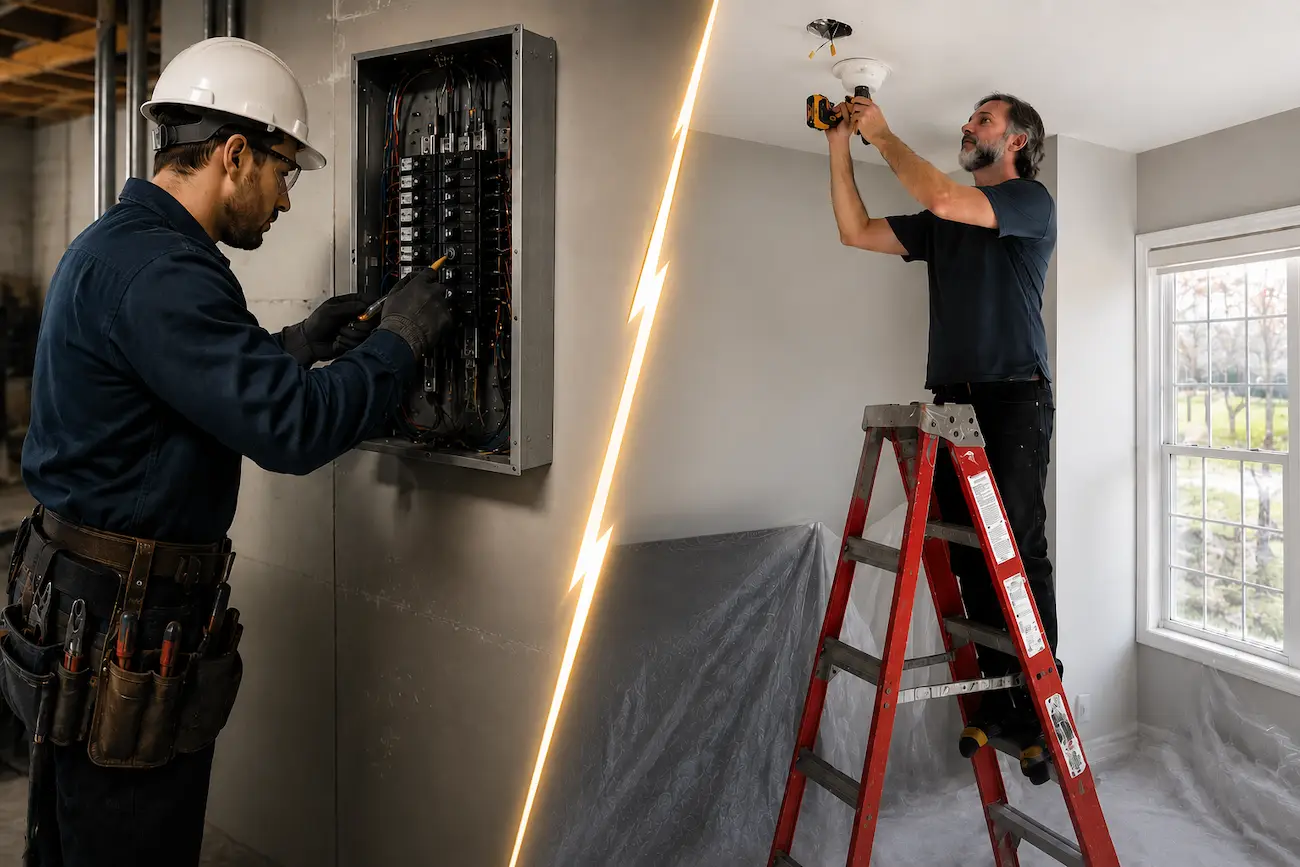
Older homes require a much more careful installation process than newer properties. Professional installers understand:- How to work safely around older wiring
- How to avoid damaging plaster ceilings
- How to create balanced layouts without over-lighting
- How to work around insulation and structural limitations
Before and After: The Difference Proper Lighting Makes
The transformation from outdated lighting to a modern recessed layout is often dramatic.Before
- Dark corners
- Uneven lighting
- Yellow fixtures
- Heavy shadows
- Rooms feeling smaller than they actually are
After
- Cleaner ceilings
- Bright and even lighting
- Improved visibility
- A more spacious feel
- A cleaner and more modern appearance
“The entire house feels newer now.”And in many cases, they are absolutely right.
Final Thoughts
Older homes already have the warmth, structure, and character that many modern homes try to imitate. But outdated lighting can make otherwise beautiful spaces feel darker and older than they really are. Modern pot light layouts for older Richmond Hill homes help bring those spaces up to date without removing the original personality of the house. Whether the goal is to brighten a basement, modernize a kitchen, improve hallway lighting, or create a cleaner living room layout, thoughtful recessed lighting can completely change how a home feels. Every older home has different ceiling conditions, room layouts, and lighting challenges. A properly planned lighting layout can make the space feel brighter, cleaner, and significantly more modern while still preserving the charm that made the home special in the first place. Homeowners looking for professional pot light installation in Richmond Hill or personalized lighting advice for older homes can also contact the Mr. Potlight team to discuss retrofit lighting projects and layout ideas.FAQs
Can pot lights be installed in older homes?
Yes. Modern LED pot lights are commonly installed in older homes, including houses with plaster ceilings, finished basements, and older electrical layouts.
Are LED pot lights safe for older wiring?
In many cases, yes. LED fixtures consume far less electricity than traditional incandescent fixtures, making them suitable for many older electrical systems.
What size pot lights work best in older homes?
4-inch LED pot lights are often the best choice for older homes because they work well with lower ceilings and smaller room layouts.
Can pot lights make low ceilings feel higher?
Yes. Recessed lighting removes bulky ceiling fixtures and creates cleaner ceiling lines, helping rooms feel taller and more open.
What color temperature works best for older homes?
Many homeowners prefer 3000K warm white lighting because it creates a modern look while still feeling warm and comfortable.
Do pot lights increase home value?
Modern recessed lighting can improve the appearance, functionality, and overall appeal of a home.