What Does an Electrician Do?
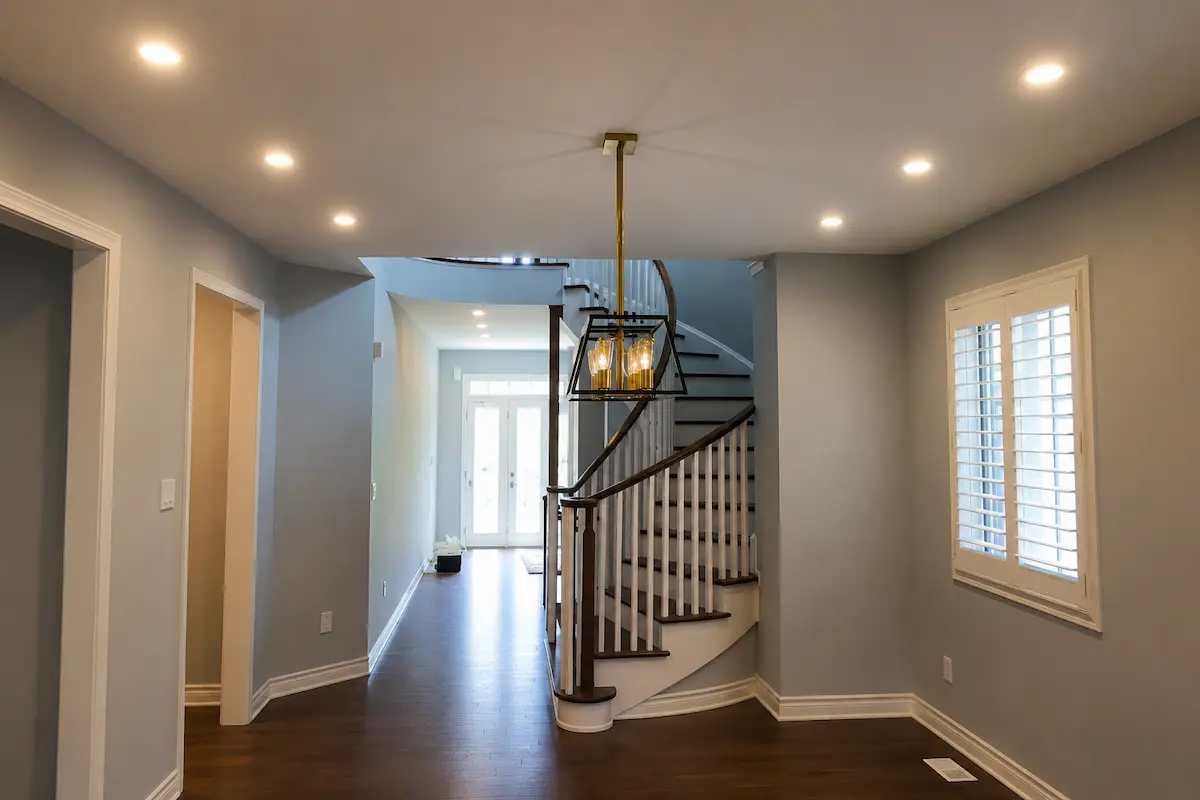
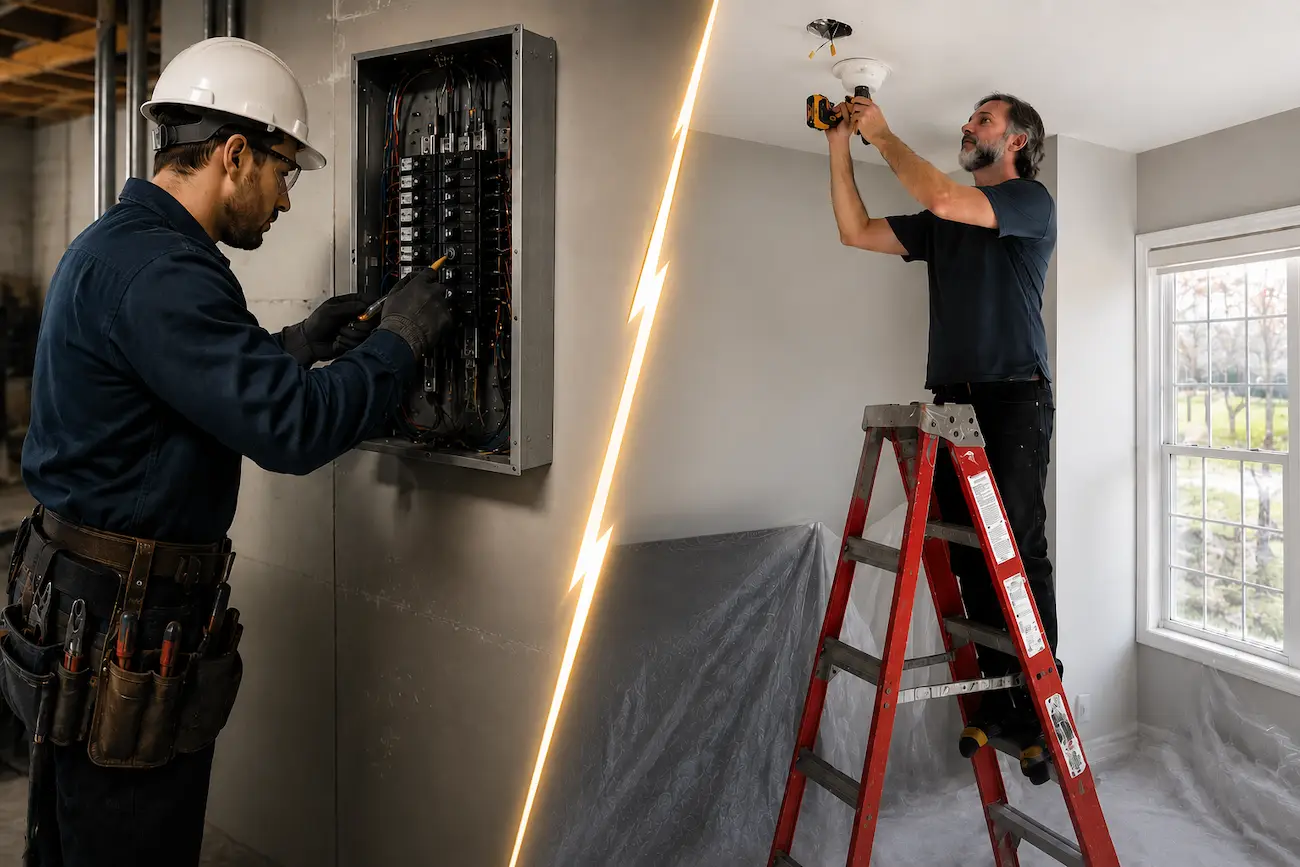
Electricians are essential tradespeople responsible for making sure electrical systems are safe, reliable, and code-compliant. They handle panels, breakers, wiring, outlets, switches, and full system upgrades. Many electricians also install recessed lighting, and from a safety standpoint, this is completely valid. Proper wiring is critical, and no lighting project should ignore that. If you want a clearer idea of what’s involved, this guide to professional pot light installation breaks it down step by step. Where things start to differ is focus. Most electricians are generalists. Pot lights are usually just one task among many, which means layout, symmetry, and final appearance are not always the main priority.What Is a Pot Light Specialist?

Why Lighting Design Matters More Than Most People Think
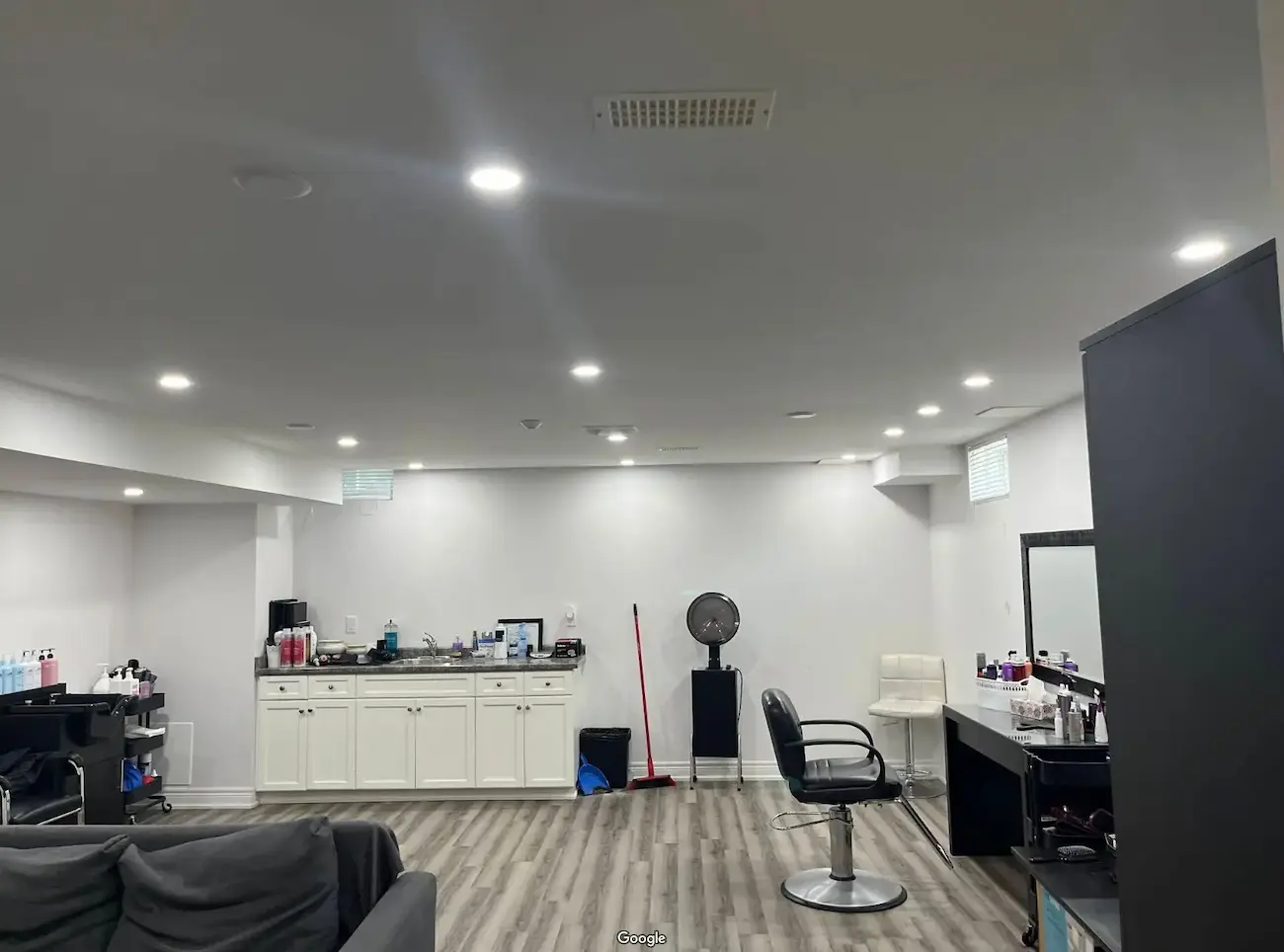 Lighting design is one of the most overlooked parts of a renovation. Many homeowners assume that as long as the room is bright enough, the job is done.
In reality, poor lighting design can cause:
Lighting design is one of the most overlooked parts of a renovation. Many homeowners assume that as long as the room is bright enough, the job is done.
In reality, poor lighting design can cause:
- Uneven brightness across the room
- Dark shadows in key areas
- A flat or uncomfortable feeling in the space
Ceiling Finish and Installation Precision
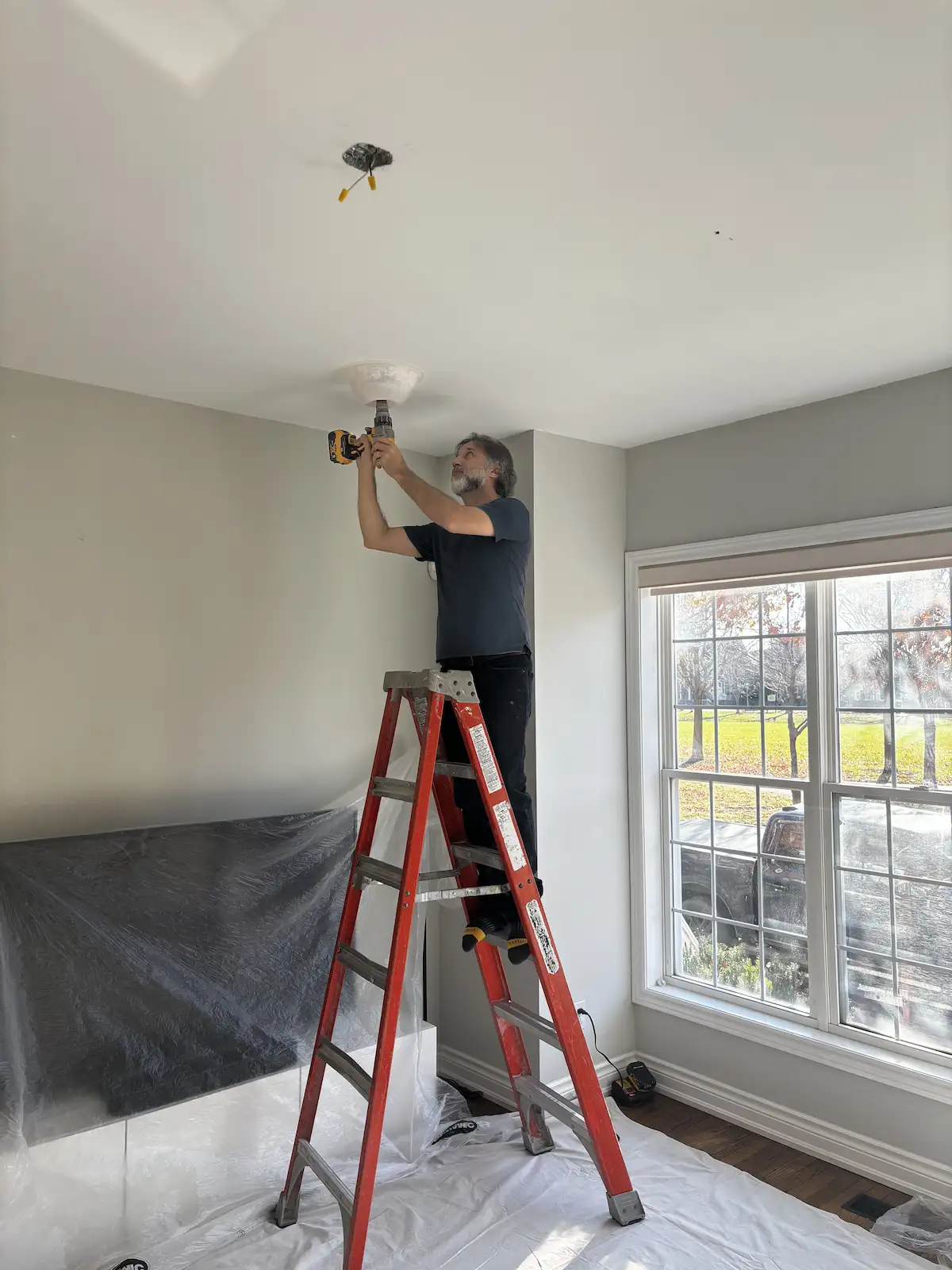
This is where the difference becomes very visible. Installing pot lights means cutting into your ceiling. Those cuts are permanent, and even small mistakes can stay visible for years. Specialists regularly work in more complex situations like angled or high ceilings. If you’re dealing with that kind of space, this page on pot lights on vaulted ceilings gives a good idea of what’s involved. Another common issue in Toronto homes is limited attic access. Installing lights without access above requires experience to avoid unnecessary damage. Here’s a good explanation of installing recessed lighting without attic access. Clean cuts, proper alignment, and minimal ceiling damage usually come from doing this type of work every day—not occasionally.Speed, Cleanliness, and Workflow
Because pot light specialists repeat the same type of installation daily, the process becomes more efficient. This usually results in:- Faster project completion
- Less dust and mess
- Better protection for furniture and flooring
Common Problems After Poor Installations
A big part of my job is fixing issues caused by improper installations. These problems don’t always show up right away, which is why they can be frustrating. Some of the most common ones include:- Flickering or inconsistent lighting
- Buzzing or humming sounds
- Uneven light distribution
Electrician vs Pot Light Specialist: A Practical Comparison
Both professionals have their place. Electricians are the right choice when the project involves:- Electrical upgrades or panel work
- Major rewiring
- Code compliance and safety
- Lighting layout and design
- Clean ceiling finish
- Balanced and comfortable lighting
When It Makes Sense to Hire Both
In some cases, the best solution is a combination of both. For example, an electrician might handle the electrical infrastructure, while a specialist focuses on layout, placement, and finish. This approach is becoming more common in larger renovations or older homes in Toronto.Which Option Works Best for Toronto Homes?
Toronto homes come with unique challenges—older construction, finished basements, concrete ceilings, and limited access spaces. This is especially common in areas with older housing stock, where experience working in homes throughout North York and the GTA can make a major difference in avoiding unnecessary ceiling damage and planning cleaner installations. Because of this, many homeowners look specifically for residential lighting services in Toronto instead of general electrical services. If you’re still considering whether recessed lighting is the right option overall, this overview of recessed lighting can help you get a clearer picture.My Honest Recommendation
If you’re already working with an electrician on a larger project, and pot lights are just a small part of the job, using the same contractor can make sense. But if recessed lighting is a key part of your home’s final look, a specialist is usually worth it. A short consultation before starting can often save time, money, and unnecessary ceiling repairs later on. Well-planned lighting doesn’t just improve how a room looks—it can also increase your home’s value over time.Conclusion
Choosing between an electrician and a pot light specialist isn’t about right or wrong—it’s about choosing the right professional for the job. If your priority is electrical safety and system upgrades, an electrician is essential. If your priority is clean installation, proper layout, and a polished final result, a specialist will usually deliver better results. If you’re planning a pot light installation, getting professional input early can help you avoid costly mistakes. Get a free pot light installation estimate in Toronto and find out which approach makes the most sense for your home.FAQs
Can an electrician legally install pot lights in Ontario?
Yes, licensed electricians are legally allowed to install pot lights in Ontario as long as the work meets electrical code requirements. Electrical safety and proper wiring are their responsibility. However, electricians typically focus on the electrical side of the project rather than lighting layout, spacing, or ceiling finish, which is where many homeowners notice differences in the final result.
What is the main difference between an electrician and a pot light specialist?
The main difference is focus. Electricians are trained to handle a wide range of electrical work, including panels, wiring, and safety upgrades. A pot light specialist focuses almost entirely on recessed lighting, paying close attention to layout, spacing, ceiling finish, and how light fills the room. Both are important, but they approach the job from different perspectives.
Do pot light specialists need permits or an electrician?
In Ontario, electrical permits and inspections are required for pot light installations. In many cases, a licensed electrician is involved either directly or through inspection to ensure compliance. Pot light specialists typically work within these requirements and focus on design, placement, and installation quality while ensuring the electrical side is handled properly.
Is it cheaper to hire an electrician or a pot light specialist?
The cost can vary depending on the project. Electricians may be more cost-effective when pot lights are a small part of a larger electrical job. A pot light specialist may have a slightly higher upfront cost, but often provides better layout, cleaner ceiling finishes, and fewer issues later—saving money on repairs or corrections in the long run.
Why do some pot light installations flicker or fail early?
Flickering or early failure is often caused by improper installation, incompatible dimmer switches, or overloaded circuits—not the light fixture itself. Correct planning, product selection, and installation techniques play a major role in preventing these problems.
When does it make sense to hire both an electrician and a pot light specialist?
For larger renovations or older homes, it can make sense to involve both. An electrician may handle panel upgrades or rewiring, while a pot light specialist focuses on layout, placement, and ceiling finish. This combination often delivers the safest and most visually polished results.
Which option is better for Toronto homes and condos?
Toronto homes and condos often have unique challenges such as concrete ceilings, finished basements, or limited attic access. In these cases, working with someone who has specific experience installing pot lights in local housing styles can make the process smoother and help avoid unnecessary ceiling damage.